Uncategorized
What Is DMT (The Spirit Molecule)?
Types of DMT (The Spirit Molecule)? DMT, or dimethyltryptamine, is a naturally occurring psychedelic compound that shares structural similarities with serotonin. It is considered one of the most powerful psychedelics known, while also being among the shortest-acting.
Commonly referred to as the spirit molecule, DMT is best known for inducing vivid, dream-like states of consciousness.
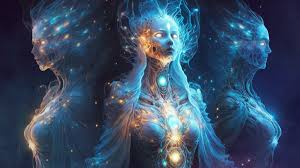
This naturally produced substance can generate intense visual effects often described as colorful, kaleidoscopic fractals, while dissolving the usual sense of personal identity. DMT significantly alters perception of time and space, may lead to deeply meaningful insights, and expands awareness in ways many users describe as transformative.
In this guide, you’ll learn what is DMT (the spirit molecule), the different forms it comes in, how its effects vary, and important safety and legal considerations—especially in the United States and Oregon.
What Is DMT (Dimethyltryptamine)?
DMT stands for N,N-dimethyltryptamine, a naturally occurring alkaloid found in trace amounts across various plant and animal species. Scientific research also suggests that the human body may naturally produce small amounts of DMT, potentially within the pineal gland.
DMT is closely related to serotonin, one of the brain’s primary neurotransmitters responsible for regulating mood, perception, and conscious thought. Because of this chemical similarity, many researchers believe DMT may play a comparable role in the brain, with some theories suggesting it contributes to dreaming and altered states of consciousness during sleep.
However, the precise function of DMT in the human brain remains unknown. Due to legal and ethical barriers, research has been limited, and most explanations about its role are still theoretical.
Types of DMT Explained
Although all forms are referred to as DMT, the experience can vary greatly depending on how it is prepared or consumed.
Common Forms of DMT
- Crystalline DMT – A white or off-white crystal that can be smoked or vaporized for intense psychedelic effects
- Bufo alvarius secretion – A substance derived from the Colorado River Toad that contains potent psychoactive compounds
- Ayahuasca – A dark, bitter herbal brew traditionally used in ceremonial contexts
- Changa – A smokable blend of herbs infused with DMT
- Yopo – A finely ground brown powder traditionally inhaled through the nose
- Research chemicals – Synthetic or experimental compounds related to DMT
Each form can produce noticeably different effects, durations, and intensities.
DMT Effects and Duration | Types of DMT
DMT is known for its rapid onset and short duration. Effects typically begin within minutes and can include:
- Intense visual hallucinations
- Altered perception of time and space
- Dissolution of ego or sense of self
- Heightened emotions or insights
- Feelings of connection or transcendence
Most DMT experiences last between 30 and 60 minutes, depending on the form and method involved.
Is DMT Legal in the United States and Oregon?
In the United States, DMT is classified as a Schedule I controlled substance, meaning it is illegal to manufacture, possess, or distribute under federal law.
DMT Legality in Oregon | Types of DMT
In Oregon, DMT remains illegal. While Oregon has decriminalized possession of small amounts of certain drugs, this does not make DMT legal. Decriminalization reduces penalties but does not permit lawful use, sale, or production.
Anyone researching what is DMT (the spirit molecule) should understand that its legal status remains restrictive despite shifting drug policies in some U.S. states.
Why Is DMT Called “The Spirit Molecule”?
DMT’s widespread presence in nature and its powerful psychoactive effects have earned it the nickname “the spirit molecule.”
Psychiatrist and researcher Rick Strassman proposed that DMT may be released during key moments of human life, such as birth and death. He suggested that a surge of DMT in early fetal development could symbolize the “entrance” of consciousness, while another release at death might represent its “exit.”
These ideas are intriguing but remain speculative and are still debated within the scientific community.
Frequently Asked Questions About DMT
What is DMT (The Spirit Molecule)?
DMT is a naturally occurring psychedelic compound known for producing intense, short-lasting altered states of consciousness and vivid visual experiences.
How long do DMT effects last?
Most DMT experiences last between 30 and 60 minutes, though the peak effects are often much shorter.
Is DMT legal in Oregon?
No. DMT is still illegal in Oregon, even though some drugs have been decriminalized.
Why is DMT called the spirit molecule?
The nickname comes from its powerful effects and theories suggesting it may play a role in birth, dreaming, and death.
Are there different types of DMT?
Yes. DMT exists in several forms, including ayahuasca, changa, crystalline DMT, yopo, and others, each producing different effects.
